Delicious Jiu Niang: Make Your Own Fermented Sweet Rice
Introduction
Have you ever experienced the delightful taste of homemade Jiu Niang, the traditional Chinese fermented sweet rice? The process of making this delicious treat is not only a culinary adventure but also a journey through time, connecting us with centuries-old traditions. In this article, we will explore the art of crafting your own Jiu Niang, unlocking the secrets of fermentation and creating a sweet and aromatic dessert that will tantalize your taste buds.
Why You’ll Love This Recipe
Creating your own Jiu Niang at home is a rewarding experience that allows you to control the ingredients and flavors, ensuring a fresh and authentic final product. The natural fermentation process not only enhances the taste but also adds beneficial probiotics to your diet, promoting gut health and overall well-being. The simplicity of the ingredients and the hands-on approach make this recipe a joy to prepare, perfect for both novice and experienced cooks alike.
Indulge in a guilt-free dessert that is free from artificial additives and preservatives, embodying the true essence of homemade goodness. The sweet aroma that fills your kitchen as the rice ferments will transport you to a peaceful state of mind, making the process not just about cooking but about mindfulness and appreciation of the culinary arts.
Whether you are seeking a new culinary challenge or simply craving a taste of nostalgia, making your own Jiu Niang is a delightful journey that promises a sweet reward at the end.
Join us as we embark on this flavorful adventure and unlock the magic of homemade fermented sweet rice.
Ingredients
To create your own batch of Jiu Niang, you will need the following ingredients:
– Glutinous rice
– Water
– Yeast starter or wine fermentation starter
Optional substitutions:
– Brown sugar for added sweetness
– Different varieties of rice for unique flavors
– Various fruit additions for a fruity twist
Prepare your ingredients and get ready to immerse yourself in the art of fermentation.
Step-by-Step Instructions
1. Rinse the glutinous rice thoroughly to remove excess starch.
2. Soak the rice in water for several hours or overnight to soften.
3. Drain the rice and steam until cooked but still slightly firm.
4. Allow the rice to cool to room temperature.
5. In a clean container, mix the yeast starter with a small amount of warm water to activate.
6. Combine the rice and yeast mixture, ensuring the rice is evenly coated.
7. Transfer the mixture to a fermentation vessel and cover securely.
8. Place the vessel in a warm, dark area and allow the rice to ferment for several days, stirring occasionally.
9. Taste the Jiu Niang periodically to check the level of sweetness and fermentation.
10. Once the desired taste is achieved, refrigerate the Jiu Niang to slow down the fermentation process.
Enjoy your homemade Jiu Niang chilled or at room temperature for a delightful dessert experience.
Expert Tips for Success
For optimal fermentation, ensure that your fermentation vessel is clean and airtight to prevent contamination.
Experiment with different types of yeast starters to create unique flavor profiles in your Jiu Niang.
Keep a close eye on the fermentation process and adjust the sweetness level to suit your personal preference.
Avoid exposing the Jiu Niang to direct sunlight or extreme temperatures, as this can affect the fermentation process.
Variations and Substitutions
Get creative with your Jiu Niang by adding dried fruits like dates or raisins for a burst of sweetness.
Substitute part of the glutinous rice with black rice for a visually striking dessert with a nutty flavor.
For a dairy-free option, use coconut milk as a base for your Jiu Niang instead of water.
Explore different combinations of spices and herbs to infuse unique aromas into your fermented sweet rice.
Serving Suggestions
Enjoy your Jiu Niang as a standalone dessert or pair it with traditional Chinese pastries for a complete culinary experience.
Drizzle a touch of honey or sprinkle cinnamon on top of your Jiu Niang for added flavor complexity.
Serve chilled Jiu Niang during hot summer days for a refreshing and satisfying treat.
Pair your fermented sweet rice with a cup of hot tea or a glass of chilled wine to complement the flavors and enhance the dining experience.
FAQs
Q: How long does it take for the rice to ferment?
A: The fermentation time can vary depending on the ambient temperature, but typically ranges from 3 to 7 days.
Q: Can I use regular rice instead of glutinous rice?
A: Glutinous rice is preferred for its sticky texture, but you can experiment with different rice varieties for unique results.
Q: Is it normal to see bubbles during the fermentation process?
A: Yes, bubbles are a sign of active fermentation and indicate that the yeast is working to transform the rice.
Q: How should I store leftover Jiu Niang?
A: Store the fermented sweet rice in an airtight container in the refrigerator to maintain freshness and flavor.
Final Thoughts
As you savor each spoonful of your homemade Jiu Niang, let the flavors transport you to a realm of culinary bliss where tradition meets innovation. The process of fermenting sweet rice is not just about creating a dessert; it’s about embracing a cultural heritage and celebrating the art of slow food.
So, roll up your sleeves, gather your ingredients, and embark on this enriching journey of making your own Jiu Niang. Let the sweet aroma fill your kitchen and the taste linger on your palate, a testament to the joys of homemade goodness. Cheers to your culinary prowess and the delightful creations that await!
Delicious Jiu Niang: Make Your Own Fermented Sweet Rice
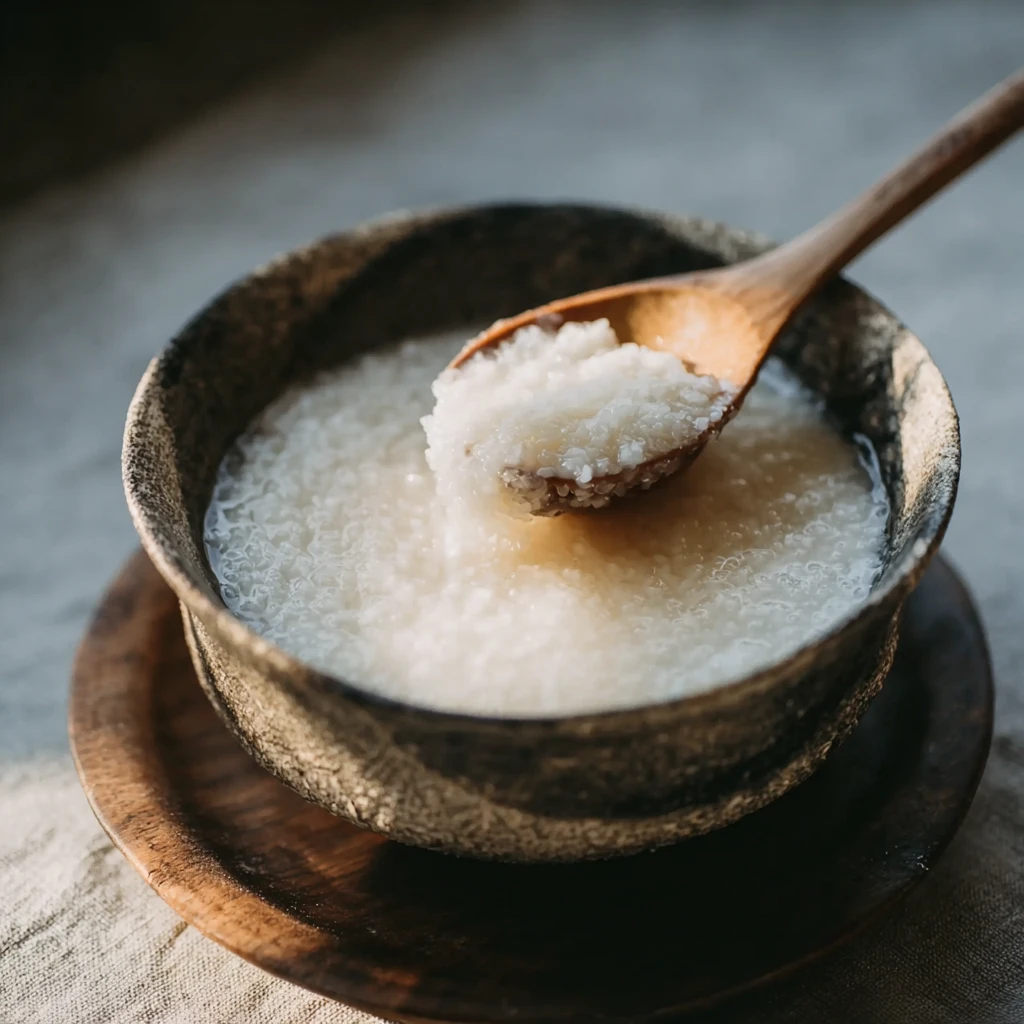
Experience the delightful taste of homemade Jiu Niang, a traditional Chinese fermented sweet rice dessert that embodies centuries-old culinary traditions. This recipe allows you to control the ingredients and flavors, resulting in a fresh and authentic final product enriched with beneficial probiotics. Indulge in the sweet aroma of fermentation and enjoy a guilt-free dessert free from artificial additives or preservatives.
Ingredients
- Glutinous rice
- Water
- Yeast starter or wine fermentation starter
Directions
- Rinse the glutinous rice thoroughly to remove excess starch.
- Soak the rice in water for several hours or overnight to soften.
- Drain the rice and steam until cooked but still slightly firm.
- Allow the rice to cool to room temperature.
- In a clean container, mix the yeast starter with a small amount of warm water to activate.
- Combine the rice and yeast mixture, ensuring the rice is evenly coated.
- Transfer the mixture to a fermentation vessel and cover securely.
- Place the vessel in a warm, dark area and allow the rice to ferment for several days, stirring occasionally.
- Taste the Jiu Niang periodically to check the level of sweetness and fermentation.
- Once the desired taste is achieved, refrigerate the Jiu Niang to slow down the fermentation process.
- Enjoy your homemade Jiu Niang chilled or at room temperature for a delightful dessert experience.