Thai Red Curry
Introduction
Imagine the tantalizing aroma of coconut milk simmering with aromatic herbs and spices, the vibrant colors of fresh vegetables dancing in a rich and creamy sauce. Thai Red Curry is a dish that embodies the perfect balance of flavors – spicy, sweet, salty, and sour. Originating from the heart of Thailand, this recipe has captured the hearts and taste buds of food enthusiasts worldwide.
Thai Red Curry is not just a meal; it’s a culinary journey that transports you to the bustling streets of Bangkok or the serene beaches of Phuket. The secret lies in the harmonious blend of red curry paste, coconut milk, and a medley of vegetables and proteins. Whether you are a spice aficionado or a lover of creamy textures, this recipe offers a symphony of tastes that will leave you craving for more.
Steeped in tradition and culture, Thai Red Curry holds a special place in Thai cuisine. Its roots trace back to the royal palaces, where chefs concocted exquisite dishes fit for kings and queens. Today, this dish has evolved into a beloved staple in Thai households and restaurants worldwide, cherished for its bold flavors and versatility.
Join us on a culinary adventure as we dive into the world of Thai Red Curry, exploring its history, ingredients, and step-by-step instructions to recreate this iconic dish in your kitchen.
Why You’ll Love This Recipe
Thai Red Curry is a culinary masterpiece that offers a myriad of reasons to fall in love with it. Firstly, its simplicity and ease of preparation make it a perfect choice for busy weeknights when you crave a flavorful meal without spending hours in the kitchen. Additionally, this recipe is highly customizable, allowing you to tailor the spice level and ingredients to suit your preferences.
From a nutritional standpoint, Thai Red Curry is a wholesome dish that combines protein-rich ingredients like chicken, tofu, or shrimp with an array of vegetables, providing a balanced meal that is both satisfying and nourishing. The coconut milk base not only adds a luscious creaminess to the curry but also offers a host of health benefits, including promoting heart health and boosting immunity.
Whether you are a seasoned home cook or a novice in the kitchen, Thai Red Curry welcomes you with open arms. Its versatility, bold flavors, and comforting warmth make it a go-to recipe for cozy dinners, casual gatherings, or impressive dinner parties. Once you master this recipe, it will undoubtedly become a staple in your culinary repertoire.
Get ready to embark on a flavorful journey as we delve into the ingredients that make Thai Red Curry a beloved classic and a must-try dish for all food enthusiasts.
Ingredients
To recreate the magic of Thai Red Curry in your kitchen, you will need a carefully curated selection of ingredients that harmonize to create a symphony of flavors. Here is a list of essential components for crafting an authentic Thai Red Curry:
– Red curry paste
– Coconut milk
– Protein (chicken, tofu, shrimp, or beef)
– Vegetables (bell peppers, bamboo shoots, eggplant, and Thai basil)
– Fish sauce
– Palm sugar
– Kaffir lime leaves
– Thai bird’s eye chilies (optional for extra heat)
– Fresh lime juice
While these ingredients form the core of traditional Thai Red Curry, feel free to experiment and add your twist to the recipe. You can personalize the curry by incorporating ingredients like pineapple, zucchini, or mushrooms to enhance the flavor profile and texture.
For those with dietary restrictions or preferences, there are plenty of ingredient substitutions available. Swap chicken for tofu to create a vegetarian version or opt for seafood for a lighter and seafood-infused curry. The beauty of Thai Red Curry lies in its adaptability to cater to a wide range of tastes and dietary needs.
Step-by-Step Instructions
Creating an authentic Thai Red Curry may seem like a daunting task, but fear not – we have broken down the process into simple and clear steps to guide you through the culinary journey. Follow these instructions meticulously to achieve a restaurant-quality Thai Red Curry in the comfort of your home:
1. Begin by heating a tablespoon of oil in a large pan over medium heat. Add the red curry paste and stir-fry for a minute until fragrant.
2. Pour in half of the coconut milk and let it simmer until the oil starts to separate from the mixture, releasing the aromas of the curry paste.
3. Add your choice of protein to the pan and cook until it is almost done. Then, toss in the vegetables, fish sauce, palm sugar, and kaffir lime leaves. Stir well to combine all the ingredients.
4. Pour in the remaining coconut milk and let the curry simmer gently until the protein is fully cooked, and the vegetables are tender yet crisp.
5. Taste the curry and adjust the seasoning by adding more fish sauce for saltiness, palm sugar for sweetness, or lime juice for a tangy kick. For spice lovers, feel free to add Thai bird’s eye chilies for extra heat.
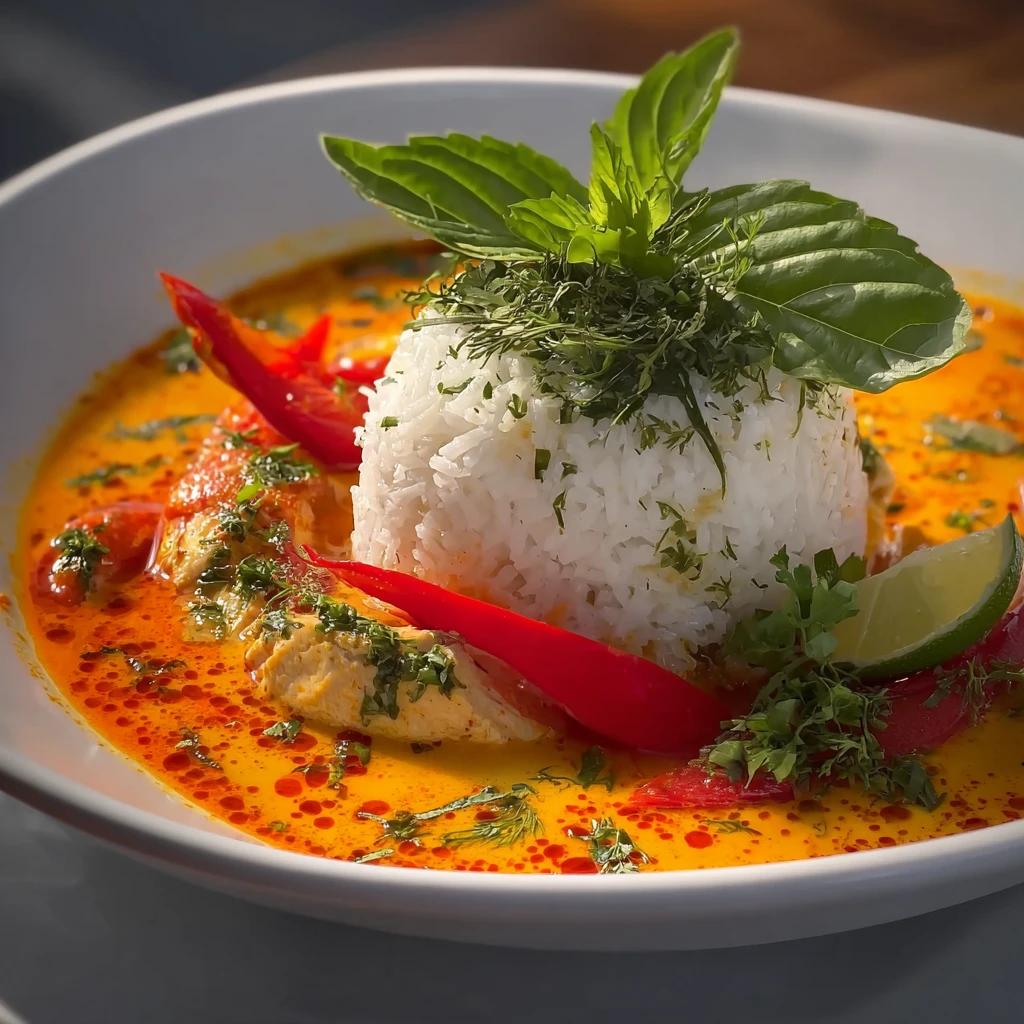
6. Once the flavors have melded beautifully, remove the curry from heat and garnish with fresh Thai basil leaves and a squeeze of lime juice. Your Thai Red Curry is now ready to be served piping hot with steamed jasmine rice.
Expert Tips for Success
To elevate your Thai Red Curry to the next level, here are some expert tips that will ensure a restaurant-quality outcome:
– Use high-quality red curry paste to achieve an authentic and robust flavor profile.
– Do not shake the coconut milk can before opening it; this will help the cream solidify at the top, which is essential for the curry’s richness.
– Adjust the spice level by controlling the amount of red curry paste and Thai bird’s eye chilies, keeping in mind your preference for heat.
– For a vegan version, replace fish sauce with soy sauce or tamari and use tofu or a mix of vegetables as the protein base.
– Allow the curry to simmer gently to allow the flavors to develop and intensify, resulting in a harmonious blend of tastes.
By following these expert tips and techniques, you can master the art of creating an authentic and flavorful Thai Red Curry that will impress your family and friends, making you the culinary star of any gathering.
Variations and Substitutions
While the traditional Thai Red Curry recipe is a culinary gem on its own, there are endless possibilities for customization and variations to suit your taste preferences and dietary requirements:
– For a vegetarian twist, swap the protein with tofu, tempeh, or a mix of hearty vegetables like sweet potatoes and butternut squash.
– Experiment with different vegetables such as baby corn, snow peas, or mushrooms to add texture and depth to the curry.
– Incorporate fruits like pineapple or lychee for a sweet and tangy flavor contrast that pairs beautifully with the spicy curry base.
– To make the curry gluten-free, ensure that the red curry paste and other condiments do not contain any gluten-containing ingredients.
– For a lighter version, opt for light coconut milk or coconut cream to reduce the overall calorie content while maintaining the creamy texture.
Feel free to unleash your creativity and play with ingredients to craft your signature version of Thai Red Curry that reflects your culinary style and preferences. The versatility of this recipe allows for endless experimentation and innovation in the kitchen.
Serving Suggestions
Thai Red Curry is a versatile dish that pairs harmoniously with a variety of accompaniments, enhancing the overall dining experience. Here are some serving suggestions to elevate your Thai Red Curry meal:
– Serve the curry hot with steamed jasmine rice for a classic and comforting meal that highlights the bold flavors of the curry.
– Pair the curry with fragrant coconut rice or nutty brown rice for a wholesome and satisfying dining experience.
– Garnish the curry with fresh cilantro, sliced red chilies, and a wedge of lime for a pop of color and added freshness.
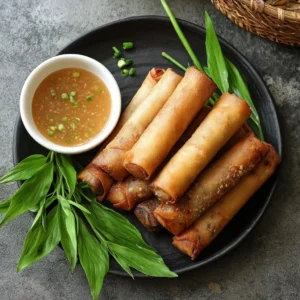
– Accompany the curry with crispy Thai spring rolls, crunchy prawn crackers, or a vibrant papaya salad for a complete Thai feast.
– For a refreshing beverage pairing, opt for a cool Thai iced tea, coconut water, or a zesty lemongrass-infused drink to balance the heat of the curry.
By selecting the right accompaniments and beverages, you can create a memorable dining experience that transports you to the bustling streets of Thailand, where bold flavors and vibrant colors reign supreme.
FAQs
As you embark on your culinary journey to master the art of Thai Red Curry, you may encounter some common questions and uncertainties. Here are answers to frequently asked questions to guide you through the process:
Q: Can I make Thai Red Curry ahead of time?
A: Yes, Thai Red Curry can be prepared in advance and reheated before serving. The flavors tend to deepen and intensify over time, making it a perfect make-ahead dish for gatherings.
Q: How do I store leftover Thai Red Curry?
A: Store any leftover curry in an airtight container in the refrigerator for up to 3-4 days. Reheat gently on the stovetop or in the microwave before serving.
Q: Is Thai Red Curry spicy?
A: Thai Red Curry can be adjusted to your preferred spice level by controlling the amount of red curry paste and Thai bird’s eye chilies. Start with a small quantity and add more gradually to suit your taste.
Q: Can I freeze Thai Red Curry?
A: While coconut milk-based curries like Thai Red Curry can be frozen, the texture of the vegetables and protein may slightly change upon thawing. It is best enjoyed fresh for optimal taste and consistency.
Final Thoughts
As we conclude our exploration of Thai Red Curry, we hope this journey has ignited your passion for Thai cuisine and inspired you to recreate this iconic dish in your kitchen. From its rich history to its vibrant flavors, Thai Red Curry encapsulates the essence of Thai culinary artistry and tradition.
Whether you savor the creamy coconut milk base, relish the aromatic blend of herbs and spices, or delight in the colorful medley of vegetables, Thai Red Curry offers a sensory experience like no other. With each bite, you embark on a culinary voyage that transcends borders and cultures, connecting you to the heart of Thailand.
We invite you to immerse yourself in the world of Thai Red Curry, experiment with flavors, and make this recipe your own. Share this culinary gem with your loved ones, and let the aroma of Thai spices and coconut transport you to the bustling markets and vibrant streets of Thailand.
Thai Red Curry
Thai Red Curry is a vibrant and flavorful dish that balances spicy, sweet, salty, and sour flavors in a creamy coconut milk base. This iconic Thai dish is a culinary journey that transports you to the heart of Thailand with its rich history and bold flavors.
Ingredients
- Red curry paste
- Coconut milk
- Protein (chicken, tofu, shrimp, or beef)
- Vegetables (bell peppers, bamboo shoots, eggplant, and Thai basil)
- Fish sauce
- Palm sugar
- Kaffir lime leaves
- Thai bird's eye chilies
- Fresh lime juice
Directions
- Begin by heating a tablespoon of oil in a large pan over medium heat. Add the red curry paste and stir-fry for a minute until fragrant.
- Pour in half of the coconut milk and let it simmer until the oil starts to separate from the mixture, releasing the aromas of the curry paste.
- Add your choice of protein to the pan and cook until it is almost done. Then, toss in the vegetables, fish sauce, palm sugar, and kaffir lime leaves. Stir well to combine all the ingredients.
- Pour in the remaining coconut milk and let the curry simmer gently until the protein is fully cooked, and the vegetables are tender yet crisp.
- Taste the curry and adjust the seasoning by adding more fish sauce for saltiness, palm sugar for sweetness, or lime juice for a tangy kick. Add Thai bird's eye chilies for extra heat if desired.
- Once the flavors have melded beautifully, remove the curry from heat and garnish with fresh Thai basil leaves and a squeeze of lime juice. Serve hot with steamed jasmine rice.