
Homemade Yogurt
Introduction
Are you tired of store-bought yogurt that lacks flavor and texture? Have you ever thought about making your own creamy and delicious yogurt right at home? In this article, we will explore the wonderful world of homemade yogurt, a simple yet satisfying culinary adventure that will elevate your breakfasts, snacks, and even desserts. Get ready to embark on a journey of yogurt-making mastery!
Why Homemade Yogurt is Special
Homemade yogurt holds a special place in the hearts of many food enthusiasts for its unparalleled freshness and customizability. Unlike commercial varieties, homemade yogurt allows you to control the ingredients, sweetness levels, and tanginess to suit your taste preferences perfectly. The process of making yogurt at home is not only rewarding but also offers a sense of accomplishment and connection to the age-old tradition of fermentation.
Furthermore, homemade yogurt is a versatile ingredient that can be used in a myriad of recipes, from smoothies and parfaits to marinades and sauces. Its creamy texture and probiotic-rich nature make it a healthy addition to your daily diet, promoting gut health and overall well-being.
Whether you are a novice in the kitchen or an experienced home cook, making your own yogurt is a fun and fulfilling experience that will leave you wondering why you didn’t start sooner.
Join us as we delve into the art of homemade yogurt and discover the joy of creating this nutritious and delicious staple in your own kitchen.
Ingredients for Homemade Yogurt
To make your own batch of creamy homemade yogurt, you will need the following ingredients:
– Milk (whole, low-fat, or non-dairy alternatives like soy or almond milk) – Yogurt starter culture or plain yogurt with live active cultures – Optional: Sweeteners such as honey, sugar, or maple syrup – Optional: Flavorings like vanilla extract or fruit puree
These simple ingredients are all you need to kickstart your yogurt-making journey. Feel free to experiment with different types of milk and flavorings to create a yogurt that suits your taste preferences.
Step-by-Step Instructions for Making Homemade Yogurt
1. Heat the milk: In a saucepan, heat the milk over medium heat until it reaches about 180°F (82°C). Stir occasionally to prevent scorching.
2. Cool the milk: Allow the milk to cool to around 110°F (43°C). This is the ideal temperature for the yogurt culture to thrive.
3. Add the yogurt culture: Mix a small amount of warm milk with the yogurt starter culture in a separate bowl. Then, pour this mixture back into the remaining milk and stir gently.
4. Incubate the yogurt: Transfer the milk mixture into a clean container, cover it, and keep it in a warm place for 6-8 hours to allow the yogurt to set and ferment.
5. Refrigerate the yogurt: Once the yogurt has achieved the desired consistency, refrigerate it for a few hours to chill before serving.
By following these simple steps, you can enjoy a batch of homemade yogurt that is not only delicious but also packed with probiotics and nutrients.
Expert Tips for Success
For the best results when making homemade yogurt, consider the following tips:
– Use a thermometer to monitor the milk temperature accurately. – Choose a high-quality yogurt starter culture or plain yogurt with live active cultures. – Maintain a consistent temperature during the incubation period for optimal fermentation. – Experiment with different incubation times to achieve your preferred level of tanginess and thickness.
By paying attention to these expert tips, you can master the art of homemade yogurt and create batches that rival even the finest store-bought varieties.
Variations and Substitutions
Looking to switch things up? Here are some creative variations and substitutions you can try with your homemade yogurt:
– Substitute part of the milk with cream for an extra creamy texture. – Add a spoonful of chia seeds for added nutrition and a thicker consistency. – Mix in a dollop of nut butter for a nutty flavor profile. – Replace the sweeteners with mashed ripe bananas for a natural sweetness.
Feel free to customize your homemade yogurt with these creative variations to keep your taste buds excited and your kitchen experiments thriving.
Serving Suggestions
To enjoy your homemade yogurt to the fullest, consider these serving suggestions:
– Top your yogurt with fresh berries, granola, and a drizzle of honey for a wholesome breakfast. – Use your yogurt as a base for marinades or salad dressings for added creaminess and flavor. – Blend your yogurt into smoothies or frozen treats for a refreshing and nutritious snack. – Serve your yogurt alongside warm baked goods or desserts for a delightful contrast in temperatures.
With these serving ideas, you can elevate your homemade yogurt experience and discover new ways to incorporate this versatile ingredient into your daily meals.
FAQs
1. Can I use skim milk to make homemade yogurt?
Yes, you can use skim milk to make yogurt, but keep in mind that the final texture may be less creamy compared to using whole milk.
2. How long does homemade yogurt last in the refrigerator?
Homemade yogurt can typically last up to 2 weeks in the refrigerator when stored in an airtight container.
3. Why did my homemade yogurt turn out runny?
If your yogurt turned out runny, it may be due to over-incubation or using milk with a low fat content. Adjusting the fermentation time or using thicker milk can help improve the consistency.
4. Can I flavor my homemade yogurt before incubation?
Yes, you can add flavorings like vanilla extract or fruit puree to your milk mixture before incubating it to infuse the yogurt with delicious flavors.
Final Thoughts
Homemade yogurt is not just a culinary endeavor; it is a journey of self-discovery and creativity in the kitchen. By mastering the art of yogurt-making, you can enjoy a nutritious and flavorful ingredient that enhances your daily meals and snacks. So, grab your ingredients, follow the simple steps outlined in this article, and savor the satisfaction of indulging in a bowl of creamy homemade yogurt made with love and care.
Start your yogurt-making adventure today and experience the joy of creating a wholesome and delicious staple right in your own home.
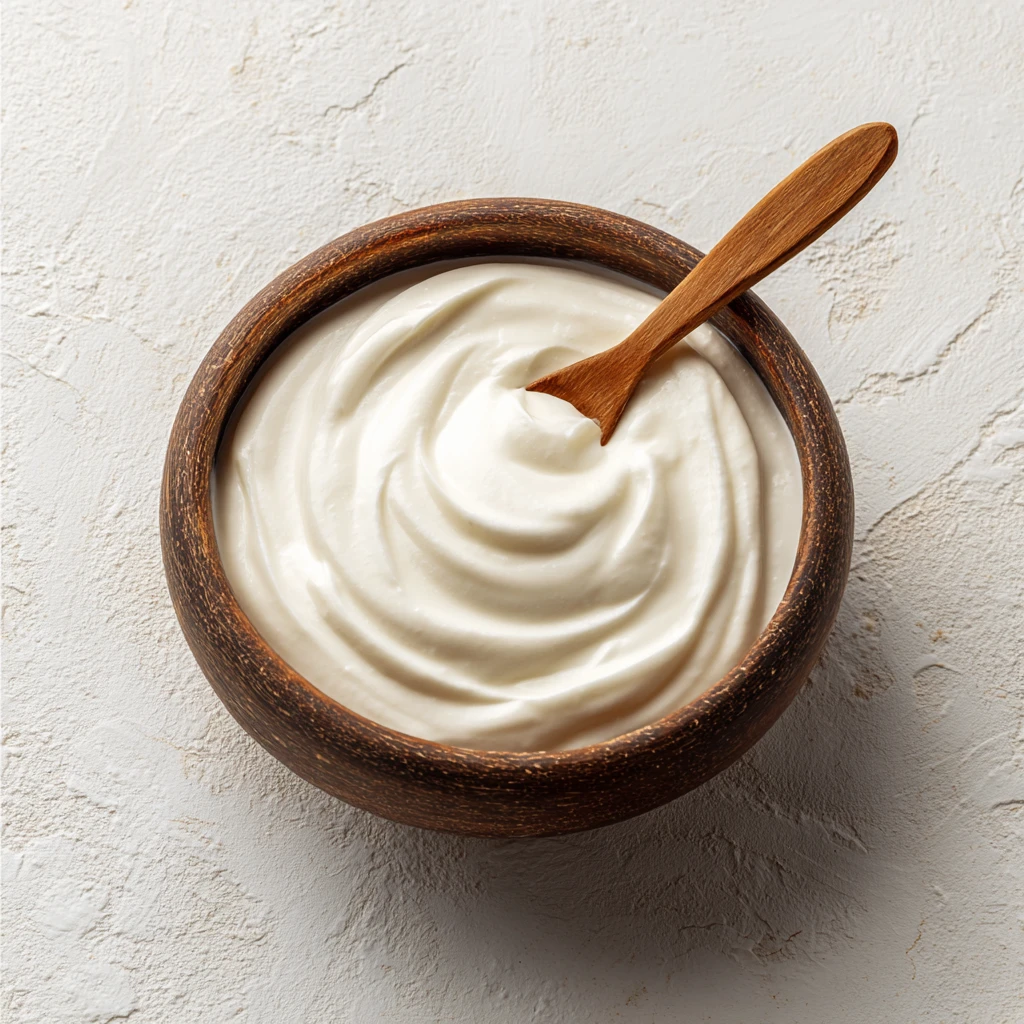
Homemade Yogurt
Learn how to make your own creamy and delicious yogurt at home with this simple and fulfilling recipe. Homemade yogurt allows you to control the ingredients, sweetness levels, and tanginess, resulting in a personalized and nutritious treat.
Ingredients
- 4 cups Milk (whole, low-fat, or non-dairy)
- 2 tbsp Yogurt starter culture or plain yogurt with live active cultures
- Optional: Sweeteners such as honey, sugar, or maple syrup
- Optional: Flavorings like vanilla extract or fruit puree
Directions
- Heat the milk in a saucepan over medium heat until it reaches about 180°F (82°C). Stir occasionally.
- Allow the milk to cool to around 110°F (43°C).
- Mix a small amount of warm milk with the yogurt starter culture in a separate bowl, then pour it back into the remaining milk and stir gently.
- Transfer the milk mixture into a clean container, cover it, and keep it in a warm place for 6-8 hours to allow the yogurt to set and ferment.
- Refrigerate the yogurt for a few hours to chill before serving.